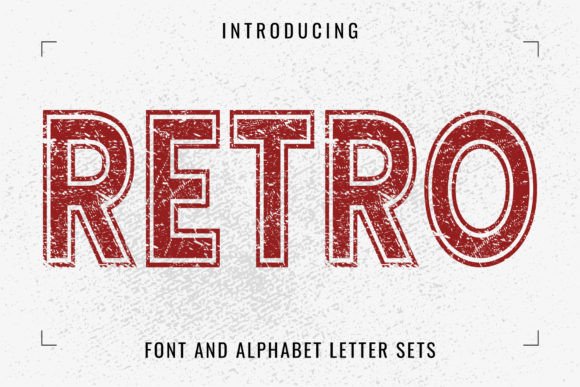
Retro Font: Infusing Vintage Soul into Modern Design Projects
Sometimes, a design needs more than just clean lines and modern minimalism. It needs a story. It needs texture. It needs the kind of gritty, authentic character that makes you feel something—a sense of nostalgia, a nod to history, or just a raw, unapologetic boldness. That’s the power a well-crafted vintage typeface can bring to the table, transforming a standard layout into something memorable and impactful. If you've been searching for that perfect tool to inject personality and a distressed, authentic feel into your work, exploring a grunge-distressed display font like this one might be the creative breakthrough you need.
The Visual Appeal of Authentic Distress
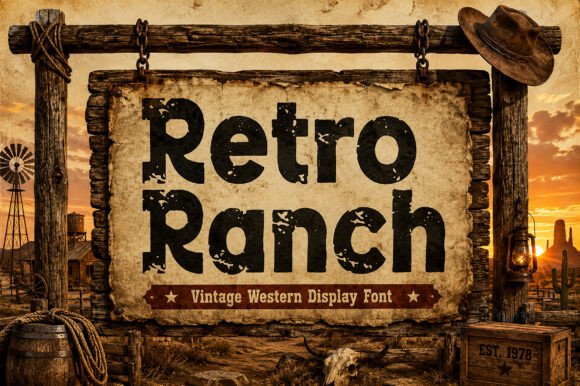
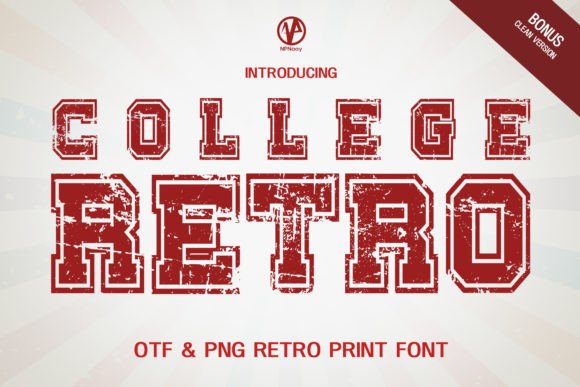
What sets a typeface like this apart from a standard, clean font? It’s all in the details. A true retro vintage and grunge-distressed display font isn't just a digitally clean letterform with a filter applied. The character is built into its core. You’ll find subtle imperfections, uneven ink coverage, and slightly worn edges that mimic the look of old woodblock prints or vintage screen printing. This isn't a flaw; it's the feature. It gives the typography an immediate sense of history and tactility, making digital designs feel more grounded and physical. The visual weight and texture mean it commands attention, making it a stellar choice for headlines, logos, and any element where you want the typography itself to be the focal point of the design.
Where This Typeface Truly Shines: Practical Applications
Understanding a font's personality is one thing; knowing how to deploy it effectively is where the real value lies. This isn't your go-to for body text in a lengthy report, but for projects that demand presence and character, it’s incredibly versatile.
- Branding & Logo Design: For businesses that want to convey authenticity, craftsmanship, or a rebellious spirit—think craft breweries, barbershops, vintage apparel brands, or artisanal food products—this font can become the cornerstone of a memorable brand identity. It instantly communicates a vibe.
- Packaging & Merchandise: Imagine this typeface on a coffee bag, a hot sauce label, or a T-shirt design. Its textured appearance translates beautifully to print, especially on materials like kraft paper or cotton, where the distressing adds to the tactile experience. It’s perfect for creating merchandise that looks and feels premium.
- Posters & Event Graphics: From music festival posters to indie film promotions or local market flyers, the bold, gritty nature of a distressed display font ensures your message isn't just seen—it's felt. It pairs exceptionally well with illustration and photography that has a similar vintage or rugged aesthetic.
- Digital Presence: Don't limit it to print. Used strategically on a website homepage banner, in social media graphics, or as a headline font for a blog, it can break the monotony of standard web typography. It’s a fantastic tool for creating visual contrast and drawing the eye to key calls-to-action or featured content.
- Editorial & Print Layouts: In magazine layouts, book covers, or zine designs, a font with this much character can set the entire tone for a feature story or chapter, especially in genres like history, true crime, or music journalism.
Making It Work: Pairing and Practicality
A powerful display font is a tool, and like any tool, using it effectively requires a bit of strategy. The goal is to let it shine without overwhelming your entire design. Here’s how to approach it practically.
Contrast is Your Friend: The most successful pairings often involve a font with a lot of personality (like this one) alongside something more neutral and highly readable. Try combining it with a clean sans serif font for subheadings or body copy. The contrast between the textured, vintage headline and the crisp, modern supporting text creates a dynamic and professional hierarchy. Avoid pairing it with another overly decorative or script font, as this can lead to visual clutter and reduce readability.
Context is Key: Always consider your audience and the project's goal. Is the goal to feel trustworthy and established? Or edgy and contemporary with a retro twist? This font leans heavily toward the latter. It’s perfect for a music blog, a vintage-inspired clothing line, or a design portfolio, but might not be the ideal choice for a corporate financial report or a medical website.
Readability Matters: Because of its distressed nature, this typeface is best used at larger sizes where the intricate details of each letter can be appreciated. For very small text, especially on screen, the texture might become muddy. Test it at the intended size on both your screen and, if possible, a print proof. If you’re using it for a logo, ensure it remains legible when scaled down to a small favicon or social media profile picture.
Explore the Full Package: A quality premium font often comes with more than just the basic alphabet. Check for included styles. You might find alternate characters, stylistic sets, ligatures, or even a matching sans serif or script font designed to complement it. These extras can significantly expand your creative options and help you craft a more cohesive font pairing system for a larger project like a full brand identity.
Beyond the Aesthetics: The Business of Font Choice
For anyone creating designs for commercial use—whether you're a freelance designer, a small business owner, or a content creator—the practicalities of using a font are just as important as its looks.
Licensing for Peace of Mind: If you plan to use the font for client work, merchandise for sale, or widely distributed digital products, you must ensure you have the correct commercial license. Reputable font foundries and marketplaces are very clear about this. Using a font without a proper license for commercial projects is a legal risk. Always read the license agreement. A good commercial font license will allow you to use the typeface across multiple projects and mediums, giving you creative freedom and legal security.
Building a Cohesive Toolkit: Think of fonts as part of your broader design assets library. Choosing a versatile and well-designed typeface like this one is an investment. It becomes a tool you return to for different projects, ensuring a consistent quality and aesthetic in your work. Over time, building a curated collection of trusted fonts, icons, and textures saves time and elevates the professionalism of everything you produce.
Finding the right typeface is a bit like finding the right voice for your design. It can tell a story before a single word of copy is read. A font that brings authentic vintage texture and a bold, distressed character offers a unique way to connect with an audience that values authenticity and style. It’s a design choice that’s less about following a trend and more about making a deliberate, creative statement.