Why This 70s-Inspired Typeface Is a Branding Game-Changer
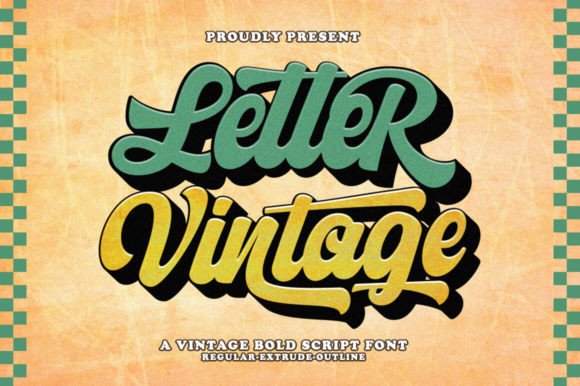
There’s a certain weight to nostalgia. It’s not just about looking back; it’s about feeling something familiar. When we see typography from the 1970s and 80s, it hits differently than modern, minimalist sans-serifs. It feels established, warm, and unapologetically bold. If you are trying to build a brand or design a poster that demands attention without shouting, you need a typeface that carries that history. Enter Letter Vintage, a script font that doesn't just mimic the past but embodies the bold typographic style of the retro era. It captures the essence of vintage lettering, blending it with a modern structure that makes it incredibly versatile for today’s digital and print landscapes.
Capturing the Retro Aesthetic in Modern Branding
As a designer or business owner, you know that visual consistency is the backbone of brand recognition. However, finding a font that feels "vintage" without looking dated or illegible is a common struggle. Letter Vintage bridges that gap perfectly. It is inspired by the gritty, textured aesthetics of the mid-20th century but optimized for high-resolution screens and crisp printing. This isn't just another display font; it is a design asset that tells a story the moment someone looks at it.
Imagine you are launching a craft brewery, a coffee roastery, or a handmade leather goods shop. You want customers to feel that your product is artisanal and high-quality. Using a standard, clean sans-serif font might communicate efficiency, but it lacks soul. By utilizing a premium font like Letter Vintage, you instantly signal to your audience that you value tradition and craftsmanship. The bold typographic style ensures that your headers and logos remain the focal point, anchoring your visual identity with a sense of authority.
From Logos to Packaging: Real-World Applications
The versatility of a retro font lies in its ability to adapt to different mediums. One of the strongest use cases for Letter Vintage is in logo design. A logo needs to be memorable, and the distinctive curves and weight of this typeface ensure it stands out against competitors. It works beautifully for badge-style logos, which are currently trending in everything from streetwear brands to podcast cover art.
Beyond the logo, think about your packaging design. The unboxing experience is crucial for e-commerce and retail. When a customer receives a product, the typography on the box or label sets the tone for the experience. A script font with a vintage flair adds a tactile quality to the design, even if it’s printed on flat cardboard. It suggests that what’s inside has been curated with care.
Consider these practical applications where this font style excels:
- Merchandise: T-shirts, tote bags, and hats often rely on bold, readable text. The retro style is perfect for apparel that people actually want to wear.
- Posters and Signs: Because of its bold nature, it commands attention from a distance. It is ideal for event posters, storefront signage, or menu boards.
- Social Media Graphics: In a crowded Instagram feed, a vintage aesthetic stops the scroll. It provides a distinct texture that generic web fonts cannot replicate.
- Book Covers: For authors looking to capture a specific genre—such as thriller, noir, or classic Americana—this font provides an instant genre signal.
Strategic Typography: More Than Just Decoration
Typography is a functional tool, not just decoration. While the aesthetic appeal of Letter Vintage is obvious, its practical value lies in how it directs the viewer's eye. In editorial design and blogging, using a script font or a heavy display font for headers breaks up the monotony of body text. It creates a visual hierarchy that makes content easier to scan.
However, choosing the right font style requires understanding your project's goals. If you are designing a website, for example, readability is paramount. While Letter Vintage is perfect for headers, hero sections, and call-to-action buttons, it is generally best to pair it with a cleaner serif font or sans serif font for the body copy. This contrast creates a dynamic look that is easy to read. A common mistake in web design is using a stylized font for paragraphs, which can cause eye strain. Instead, use this vintage typeface to add personality to your headlines while letting a simpler font do the heavy lifting for the text.
Mastering Font Pairings and Visual Hierarchy
To get the most out of Letter Vintage, you need to think about the company it keeps on the page. Font pairing is an art form, but it doesn't have to be complicated. Because this font has a strong personality, it pairs best with something neutral.
For a clean, modern contrast, try pairing it with a geometric sans-serif like Montserrat or Futura. The clean lines of the sans-serif will balance the ornate nature of the vintage script. Alternatively, if you want a more traditional, "heritage" look, pair it with a classic serif font like Garamond or Baskerville. This combination works exceptionally well for wedding invitations, high-end branding, or book covers.
When testing your pairings, pay attention to the visual weight. Letter Vintage is a bold typographic style, so you don't want to pair it with a "light" weight font that will look washed out. Ensure the secondary font has enough presence to stand next to the vintage header without disappearing.
Technical Considerations for Professional Results
Whether you are a graphic designer, a small business owner, or a creative hobbyist, the technical details matter. When you download a creative font like Letter Vintage, you are often getting more than just a standard set of characters. It is worth reviewing the included font styles and glyphs. Many premium fonts include alternate characters, ligatures, and swashes that can transform a standard word into a piece of custom art.
Take the time to explore the character map of the font. You might find unique alternates for letters like "R," "S," or "G" that add a special flair to your logo design. Using these features helps you avoid the "template" look that happens when everyone uses the default settings of a popular font.
Furthermore, always consider commercial licensing. If you are using this font for a client project, a product you sell, or marketing assets, ensure you have the correct license. Most premium fonts offer different tiers for desktop use, web use, or app use. Respecting these guidelines protects you legally and ensures you are supporting the type designers who create these tools.
Enhancing Audience Engagement
Ultimately, the goal of good design is communication. You want your audience to feel a certain way when they interact with your brand. The retro typography found in Letter Vintage evokes feelings of authenticity, nostalgia, and fun. It suggests that a brand doesn't take itself too seriously but still cares deeply about quality.
For digital products or online courses, using a vintage font can help differentiate your content. It makes your PDF worksheets, planners, or guides feel like physical products. It adds value to the user experience. Similarly, for invitations or event marketing, the script element adds a personal, human touch that digital communication often lacks.
In a market saturated with generic, cold, corporate fonts, choosing a typeface with character is a strategic move. It helps you stand out, improves brand recognition, and creates a lasting impression. Whether you are printing it on a t-shirt or displaying it on a high-resolution retina screen, the right vintage font turns ordinary text into a visual statement.