Palmore: A Vintage Typeface with Modern Appeal
There’s a particular feeling you get when you see a piece of design that just works. It might be a logo on a coffee bag, a headline on a poster, or the title of a blog post that instantly draws you in. Often, the secret ingredient is a typeface that has personality without trying too hard. It strikes a balance between being distinctive and being functional. For designers, marketers, and creators searching for that balance, the Palmore typeface offers a compelling solution that bridges classic aesthetics with contemporary utility.
The Visual Character of a Condensed Classic
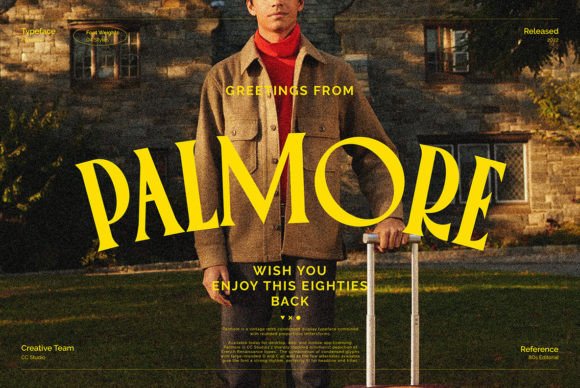
At its core, Palmore is a vintage retro condensed display typeface. What does that mean in practical terms? Imagine the sturdy, space-saving efficiency of condensed letterforms—the kind you’d see on old railway posters or vintage shop signs. Now, soften those edges. The letters in Palmore feature rounded letterforms, most notably in the large, generous curves of the 'O' and 'C'. This combination creates a unique visual rhythm. It feels both familiar and fresh. It’s not a rigid, geometric sans serif, nor is it a fussy script font. It’s a display font with a warm, approachable personality that commands attention in headlines and titles without feeling aggressive.
This design choice makes it incredibly versatile. The condensed nature allows you to fit more text into a tight space—perfect for logos or packaging where real estate is limited. The rounded forms, however, prevent it from feeling cramped or overly technical. Instead, it carries a classic/vintage letter design charm that evokes nostalgia and craftsmanship. Think of a well-loved bookstore, a artisanal brewery, or a boutique clothing brand. Palmore’s aesthetic aligns perfectly with brands that want to communicate authenticity, quality, and a touch of retro flair.
Where This Font Truly Shines: Practical Applications
Theory is nice, but where does a font like Palmore actually get used? Its strength as a headline and title specialist means it’s built for moments where you need to make a strong first impression. Let’s break down some real-world scenarios.
For logo design, Palmore can be the cornerstone of a brand’s identity. Its distinctive shape ensures the logo is memorable, while the rounded details keep it friendly. Pair it with a simple sans serif font for body text, and you have a complete, professional brand identity system. In packaging design, it’s a natural fit. Imagine it on a label for small-batch hot sauce, craft coffee, or handmade soap. The vintage vibe communicates artisanal quality, and the condensed form works beautifully on cylindrical containers or narrow boxes.
For digital creators, the applications are just as broad. It’s a fantastic choice for social media graphics—think Instagram story headers, YouTube thumbnails, or Pinterest pins. Its high-impact presence ensures your message is seen even on a small, scrolling screen. On a website or blog, use it for article titles, section headers, or hero text to break up visual monotony and inject personality. It’s equally at home in print materials like posters, event flyers, or invitations, where it can set the tone for a wedding, party, or community event.
Beyond that, consider editorial layouts for magazines or lookbooks, digital products like e-book covers or online course graphics, and marketing assets such as email headers and sale banners. Even merchandise—t-shirts, tote bags, mugs—can benefit from its strong, graphic quality. The key is using it where its personality can be appreciated, which is almost always in a headline or title role.
Making Your Designs Work Harder
Choosing the right creative font isn’t just about aesthetics; it’s about strategy. A well-chosen typeface like Palmore can actively improve your project’s effectiveness. First, it boosts visual consistency. When you use a distinctive font for all your headlines across your website, social media, and print materials, it creates a cohesive look that strengthens brand recognition. Your audience starts to associate that specific typographic style with you.
Second, despite its display nature, careful use enhances readability in the right context. A bold, clear headline sets the stage and guides the reader’s eye, making the overall layout easier to navigate. This leads to a more professional presentation. Sloppy or generic typography can make even good content look amateurish. A considered font choice signals that you care about the details. Finally, all of this contributes to better audience engagement. When your visuals are interesting and cohesive, people are more likely to stop scrolling, read your content, and remember your message.
A Few Smart Tips for Using Palmore
To get the most out of any premium font, a little strategy goes a long way. Here are some practical considerations.
Match the Font to the Goal. Ask yourself what emotion or message your project needs to convey. Palmore’s vintage warmth is perfect for brands centered on craftsmanship, nostalgia, or friendly expertise. It might not be the best fit for a cutting-edge tech startup or a ultra-luxury, minimalist brand. Understanding your project’s goal is the first step in choosing the right font style.
Test Your Font Pairings. A great display font needs a workhorse partner. Palmore pairs beautifully with clean, neutral sans serif fonts (like Open Sans or Lato) for body text. It can also work with a simple serif font for a more traditional feel. Avoid pairing it with another highly decorative script font or handwritten font, as this can create visual chaos. Always test pairings in a mockup before finalizing.
Consider Readability and Scale. As a condensed display face, Palmore is designed for larger sizes. Use it for headlines, logos, and pull quotes. For long paragraphs of body text, always choose a highly readable font optimized for smaller sizes. Legibility is paramount.
Explore the Included Styles. Many commercial fonts, including Palmore, come with more than just the basic alphabet. Check for alternates, ligatures, and other stylistic sets. Since this font is PUA encoded, accessing these special characters is straightforward, even in basic design software. These extras can add unique flair to your designs—think a special ligature for “Th” or an alternate ampersand.
Understand the License. Before using any font in a commercial project, always review the licensing terms. Ensure it covers your intended use, whether for a client’s logo, products for sale, or digital advertising. This is a crucial part of professional practice.
In the end, typography is one of the most powerful tools in a creator’s kit. A typeface like Palmore offers a specific and potent flavor—condensed, rounded, and retro—that can elevate a design from ordinary to memorable. By understanding its strengths and applying it thoughtfully, you can harness its vintage charm to build stronger brands, create more engaging content, and produce work that truly stands out.