Discover Mama: The Handwritten Font That Feels Like Home
There’s a specific feeling you get when you open a handwritten letter from a loved one. It’s warmer than an email, more personal than a text. That’s the exact sensation the Mama font aims to capture in your digital and print designs. In an era of sterile, geometric sans-serifs, this charming typeface offers a breath of fresh air, bringing a touch of humanity and nostalgia to your work. It’s not just a collection of letters; it’s a vibe—a creative tool designed to make your projects feel approachable, authentic, and undeniably cozy.
The Visual Magic Behind the Typeface
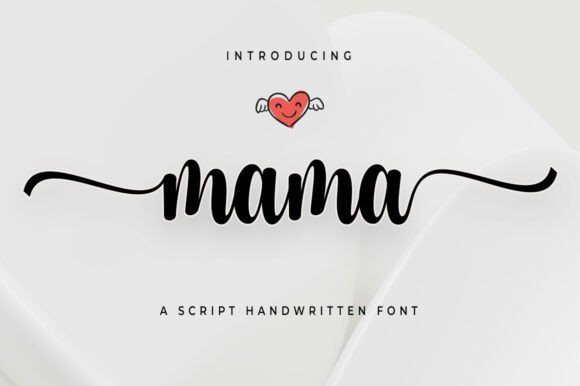
What makes Mama stand out in a sea of script fonts? It comes down to the details. Unlike rigid calligraphy or messy grunge styles, this handwritten font strikes a beautiful balance. The carefully crafted strokes mimic the natural flow of a pen on paper, offering an artistic feel without sacrificing legibility. You won’t find the overly exaggerated loops that make other script fonts impossible to read at smaller sizes. Instead, Mama features a consistent baseline and clear character separation.
The personality of this font is defined by its soft, rounded edges and organic rhythm. It feels like it was written by hand just for the viewer. This makes it a powerful display font for headers, but it’s versatile enough to be used in short bursts of body text where you want to emphasize a friendly tone. If you are looking to replace a standard serif font or sans serif font with something that has more soul, this typeface is an excellent candidate.
Real-World Applications: From Branding to Packaging
As a designer or business owner, choosing a font is about more than just aesthetics; it’s about communication. The Mama font excels in projects where the goal is to build an emotional connection. Here is how you can leverage this creative font across various mediums:
- Brand Identity & Logo Design: For small businesses, especially those in the wellness, lifestyle, or artisan sectors, Mama helps establish a friendly brand identity. A logo using this typeface immediately tells customers, "We are approachable and human." It works beautifully for bakeries, boutique clothing brands, or lifestyle coaches.
- Packaging Design: In packaging design, texture is everything. Using Mama on product boxes or labels adds a "homemade" quality. It suggests that care was put into the product, which can justify a premium price point. It pairs exceptionally well with kraft paper textures.
- Digital Presence: Don't limit this font to print. On websites and blogs, use it for pull quotes or section headers to break up the monotony of standard web fonts. For social media graphics, it is perfect for creating Instagram Stories or Pinterest pins that need to stop the scroll with a personal message.
- Print Materials & Invitations: Think wedding invitations, greeting cards, or event posters. The Mama font brings a festive elegance to occasions like Christmas, Thanksgiving, or birthdays. It captures the spirit of celebration without looking like a generic "party" font.
Enhancing Visual Consistency and Engagement
One of the biggest challenges in design is maintaining visual consistency while keeping things interesting. Mama serves as an excellent "accent" font. If your primary brand font is a clean geometric sans-serif (like Montserrat or Lato), using Mama for callouts, signatures, or sub-headers creates a dynamic contrast. This hierarchy guides the reader’s eye and improves readability by signaling what information is most important.
From a psychological perspective, handwritten typefaces like Mama increase audience engagement. They feel less like "marketing" and more like a conversation. When used in marketing assets such as email headers or lead magnet PDFs, they can soften the sales pitch and make the content feel more like a helpful resource. This subtle shift in tone can significantly improve how your audience perceives your brand's professionalism and warmth.
Practical Tips for Pairing and Usage
Integrating a script font like Mama requires a bit of strategy. You don't want your design to look chaotic. Here are some practical tips for modern typography application:
- The Contrast Rule: Because Mama is organic and flowing, pair it with something structured. A bold, all-caps sans serif font works wonders for headlines, leaving Mama to handle the sub-headlines or accents. This creates a professional balance.
- Check the Weight: Review the included font styles. Does the premium font package include a bold version? Ensure you have enough weight variation to create depth in your editorial design or layouts without changing typefaces constantly.
- Spacing Matters: Handwritten fonts often benefit from slightly increased letter-spacing (tracking) if used at very small sizes. However, for large display text, keep the spacing tight to maintain that connected, natural flow.
- Color and Background: Mama looks best when it has room to breathe. Avoid placing it on busy, high-contrast backgrounds. Soft pastels, monochromatic schemes, or clean white backgrounds allow the artistic charm of the strokes to shine.
Licensing and Commercial Use
Before you download and start creating, always check the licensing. If you are using Mama for digital products you intend to sell (like printable planners or t-shirt designs), you need to ensure you have a commercial font license. Many free fonts are for personal use only. Investing in the proper license protects your business and supports the type designers who pour hours into crafting these design assets. It is a small cost for a significant upgrade in your project's quality.
Ultimately, the Mama font is more than just a tool; it is a way to inject personality into your work. Whether you are designing a logo, crafting a holiday card, or building a website, this handwritten font helps bridge the gap between digital precision and human touch. It reminds your audience that behind every great design, there is a person with a story to tell. Give your projects the warmth they deserve and let your creativity flow with this delightful typeface.