Caylin: The Handwritten Font That Feels Like a Real Conversation
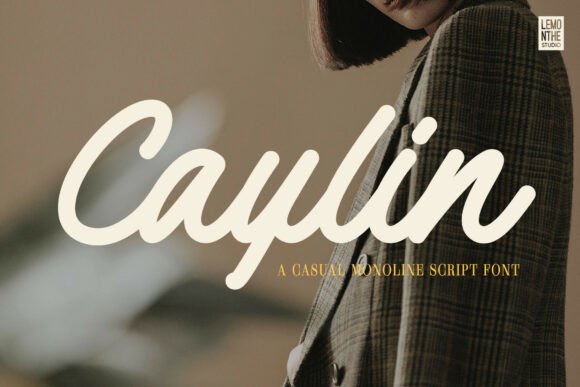
There’s a certain kind of magic in a font that feels personal. Not the rigid, calculated precision of a geometric sans serif, nor the formal authority of a classic serif—instead, something that carries the warmth of a handwritten note. That’s the space Caylin occupies. As a casual monoline script, it walks the line between polished design and authentic expression, offering a visual voice that’s both approachable and quietly confident. If you’ve ever struggled to find a typeface that feels human without sacrificing clarity, Caylin might be the creative solution you didn’t know you were looking for.
A Font with a Natural Flow and Modern Clarity
What makes Caylin stand out in a crowded field of script fonts is its consistency. Many handwritten typefaces rely on exaggerated swashes or uneven baselines to simulate a human touch, but Caylin takes a more balanced approach. Its monoline weight—meaning the stroke thickness remains even throughout each letter—creates a clean, modern rhythm that’s easy on the eyes. The letterforms flow with a gentle, organic cadence, but they never feel messy or chaotic. This careful balance makes it surprisingly versatile: expressive enough to convey personality, yet structured enough to maintain professionalism across different applications.
Think of it like the difference between a hastily scrawled grocery list and a thoughtful thank-you note. Caylin leans into the latter. It captures the relaxed elegance of someone who writes with care, making it ideal for projects where you want to communicate authenticity and warmth without compromising on readability. Whether it’s a headline on a website, a quote on a social media graphic, or a logo for a boutique brand, Caylin brings a sense of calm sophistication that many display fonts struggle to achieve.
Where Caylin Truly Shines: Practical Applications for Designers and Creators
The real test of any creative font isn’t just how it looks in a specimen sheet—it’s how it performs in real-world projects. Caylin’s versatility makes it a strong candidate for a wide range of design needs, particularly where a human-centered aesthetic is key.
Branding and Logo Design
For small businesses, solopreneurs, and lifestyle brands, a logo needs to feel distinctive yet relatable. Caylin works beautifully as a primary logotype or as a complementary script element. Imagine it paired with a simple sans serif for a coffee roaster’s branding, or used alone for a handmade jewelry line—its flowing strokes add character without overwhelming the design.
Social Media and Digital Content
In the fast-paced world of Instagram, Pinterest, and TikTok, first impressions matter. Caylin’s legibility at smaller sizes makes it a practical choice for quotes, announcements, and branded templates. It adds personality to carousel posts, story highlights, and even video thumbnails, helping content feel curated and intentional rather than generic.
Invitations, Stationery, and Print Materials
Wedding invitations, event posters, thank-you cards—these are moments where typography sets the emotional tone. Caylin’s soft, handwritten feel lends itself naturally to occasions that call for a personal touch. It’s elegant enough for formal events but casual enough for backyard gatherings, making it a flexible tool for designers working with diverse clients.
Packaging and Merchandise
Product labels, tote bags, sticker designs—physical goods benefit from fonts that feel tactile and inviting. Caylin’s clean lines reproduce well in both print and digital formats, ensuring consistency whether it’s printed on a matte label or displayed on an e-commerce site. For brands in the food, beauty, or lifestyle space, it can help create packaging that feels artisanal yet polished.
Websites, Blogs, and Editorial Layouts
While script fonts aren’t typically suited for long-form body text, Caylin works effectively for headlines, pull quotes, and section dividers. In editorial design—think magazine layouts, blog headers, or digital lookbooks—it can break the monotony of standard typefaces, adding visual interest without sacrificing the overall hierarchy of the page.
Pairing Caylin with Other Typefaces: Building a Cohesive System
No font exists in isolation. The true power of a typeface like Caylin emerges when it’s thoughtfully paired with complementary styles. Because it’s a script font with a casual, modern personality, it tends to work best alongside clean, neutral typefaces that provide contrast and balance.
A classic approach is to pair Caylin with a simple sans serif—think fonts like Montserrat, Open Sans, or Lato. The sans serif handles the functional, readable text (like body copy or navigation labels), while Caylin adds flair to headings, logos, or call-to-action elements. This combination keeps the design feeling grounded while still allowing the script to shine where it matters most.
For projects that lean more editorial or luxurious, consider pairing Caylin with a refined serif like Playfair Display or Cormorant Garamond. The contrast between the structured serif and the flowing script can create a sophisticated visual tension that feels both timeless and contemporary.
The key is to test your pairings in context. View them at different sizes, on different backgrounds, and across both print and screen. A font that looks perfect in a mockup might lose its charm when scaled down for a mobile header or printed on textured paper. Caylin’s consistent weight makes it fairly adaptable, but it’s always worth checking how it interacts with your other design elements before finalizing a layout.
Practical Considerations: Readability, Licensing, and Font Styles
Before incorporating Caylin into a project, there are a few practical points worth considering. First, readability. While Caylin is more legible than many script fonts, it’s still a display typeface at heart. Avoid using it for long paragraphs or small body text—reserve it for moments where visual impact matters more than reading efficiency. Use it for headlines, labels, short phrases, or decorative accents, and let a more neutral typeface handle the heavy lifting.
Second, take a close look at the font’s included styles. Many premium fonts come with alternates, ligatures, or stylistic sets that can add variety to your designs. Caylin may offer different versions of certain letters or swashes that allow you to customize the look further. Exploring these options can help you avoid repetition and tailor the font to fit the specific mood of your project.
Finally, licensing. If you’re using Caylin for client work, merchandise, or commercial projects, make sure you understand the terms of its license. Some fonts are free for personal use but require a paid license for commercial applications. Respecting font licensing isn’t just a legal obligation—it supports the designers and foundries who create the tools we rely on.
Why Caylin Feels Right for Modern, Human-Centered Design
In a design landscape often dominated by clean, impersonal typefaces, Caylin offers something different: a sense of connection. It doesn’t try to be everything to everyone—it knows what it is and does it well. Its strength lies in its ability to feel both casual and considered, making it a valuable addition to any designer’s toolkit.
Whether you’re building a brand from scratch, refreshing your social media presence, or designing a one-off invitation, Caylin provides a way to inject personality into your work without sacrificing clarity. It’s the kind of font that doesn’t just sit on the page—it speaks, softly and confidently, to the people you’re trying to reach.