Unicorn Milkshake: A Handwritten Font with Endless Creative Potential
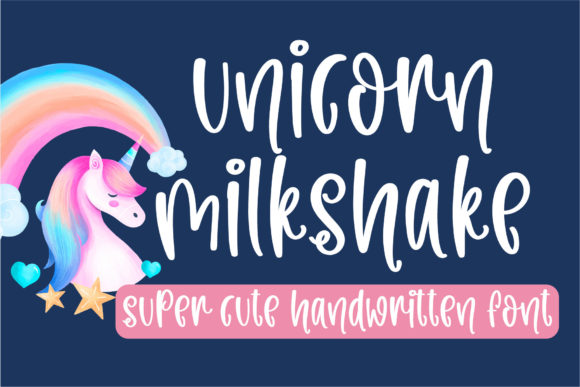
There’s a certain magic that happens when a design feels personal—when the typography doesn’t just communicate a message, but carries a voice. That’s exactly the kind of energy a font like Unicorn Milkshake brings to the table. It’s not just another pretty script; it’s a versatile, handwritten typeface that manages to feel both playful and polished, making it a surprisingly powerful tool for a wide range of creative projects. Whether you’re building a brand from scratch, refreshing your social media presence, or crafting a product that needs a touch of warmth, this font offers a unique blend of charm and flexibility that’s hard to ignore.
More Than Just a Pretty Script
At first glance, Unicorn Milkshake might remind you of casual handwriting, but its design is anything but haphazard. The letterforms have a natural flow, with gentle curves and varied stroke widths that mimic the organic feel of pen on paper. This gives it an approachable, human quality that sterile, geometric fonts often lack. What makes it particularly useful is its balance—it’s whimsical enough for playful branding, yet clean enough to remain legible and professional. Unlike some overly ornate scripts that sacrifice readability for style, this typeface maintains clarity even at smaller sizes, which is crucial for both print and digital applications.
The font typically includes a range of stylistic alternates and swashes, allowing designers to customize letter combinations and add subtle flourishes. This means you can tailor the look to suit different moods—whether you want something more relaxed for a blog header or slightly more elegant for an invitation. The versatility here is key; it’s not a one-note font but rather a toolkit for creating varied visual narratives.
Where This Font Truly Shines
Think about the projects where personality matters most. A coffee shop wanting to convey a cozy, artisanal vibe. A lifestyle blogger aiming for a friendly, relatable tone. A small business selling handmade candles or skincare products. In these scenarios, typography plays a huge role in setting the emotional tone, and a font like Unicorn Milkshake fits naturally into these contexts.
For branding and logo design, it can help create an identity that feels personal and memorable. Imagine it on a bakery’s logo, a boutique clothing tag, or a wellness brand’s packaging—it immediately adds a layer of human touch. In packaging design, especially for products like cosmetics, snacks, or gifts, it can enhance the unboxing experience by making the design feel thoughtfully crafted. On social media graphics, it can help posts stand out in a crowded feed, whether for quotes, announcements, or promotional content. Its handwritten style tends to perform well on platforms like Instagram and Pinterest, where authenticity and visual appeal drive engagement.
Beyond digital spaces, it’s equally effective in print materials such as posters, flyers, and business cards. For event invitations—think weddings, birthdays, or workshops—it sets a joyful, inviting mood. Even in editorial layouts or blog designs, it can be used sparingly for pull quotes, subheadings, or accent text to break the monotony of standard body fonts and add visual interest.
Pairing and Practicality: Using It Effectively
One of the most common questions with decorative fonts is how to use them without overwhelming a design. The key is contrast and restraint. Unicorn Milkshake works beautifully when paired with a simple, clean sans-serif or serif font for body text. For example, using it for a headline alongside a font like Montserrat or Open Sans for paragraphs creates a nice hierarchy—playful yet professional. Avoid pairing it with other highly stylized scripts, as that can lead to visual clutter and reduce readability.
When using it in longer text blocks, consider applying it only to short phrases, titles, or call-to-action buttons. Its strength lies in emphasis, not in dense paragraphs. Always test your designs at different sizes to ensure the letterforms remain distinct, especially for smaller applications like mobile screens or fine print. Pay attention to spacing as well; handwritten fonts sometimes benefit from slightly increased letter-spacing to maintain legibility.
Another practical consideration is licensing. If you’re using the font for commercial projects—whether for client work, merchandise, or digital products—make sure you understand the terms of the license. Many premium fonts, including those in the handwritten or script category, require a commercial license for such uses. It’s worth checking whether the font family includes multiple weights or styles, as having options like a bold or italic version can expand its utility across different design needs.
Building a Cohesive Visual Identity
Typography is a cornerstone of brand consistency. Choosing a font that aligns with your brand’s personality—and using it consistently—helps build recognition and trust. If your brand voice is friendly, creative, and approachable, a font like Unicorn Milkshake can become a recognizable element of your visual identity. Use it across your website headers, social media templates, email newsletters, and even internal documents to create a unified look.
For entrepreneurs and small business owners, investing in a quality font can save time and elevate professionalism. Instead of defaulting to overused system fonts, a distinctive typeface helps your materials feel custom-made. It signals attention to detail and care in your presentation, which can influence how customers perceive your brand. For content creators and marketers, it’s a tool to enhance storytelling—whether you’re designing a digital product, a lead magnet, or a promotional poster.
Ultimately, the best font is one that serves the project’s goals while resonating with the intended audience. Unicorn Milkshake, with its warm, handwritten charm and flexible design, offers a solid option for anyone looking to add a touch of personality without sacrificing functionality. It’s a reminder that sometimes, the right typeface doesn’t just display words—it helps tell a story.