Texas Liberty: Capturing Western Spirit in Your Designs
There's something undeniably magnetic about the typography of the American West—those bold, sturdy letterforms that once adorned wanted posters, saloon doors, and frontier newspapers. They carry a weight of history, a sense of rugged individualism, and an authenticity that modern designs often struggle to replicate. For designers, entrepreneurs, and creators seeking to inject that timeless, classic Americana feel into their work, a typeface like Texas Liberty offers a direct connection to that visual heritage. It's more than just a font; it's a design asset built for projects that demand attention and tell a story.
A Typeface with Rustic Character and Modern Versatility
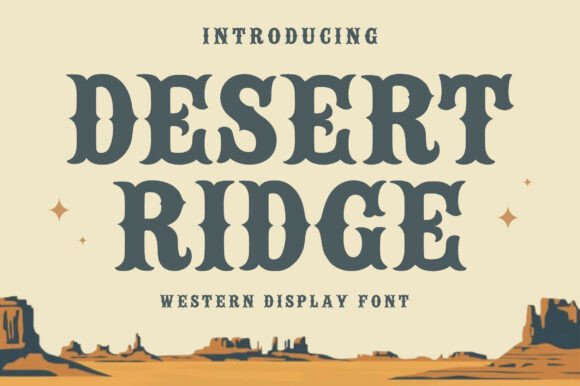
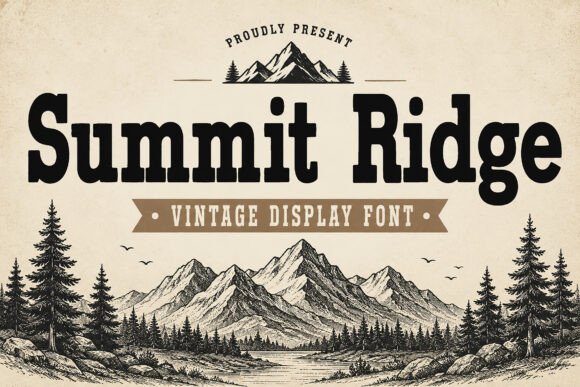
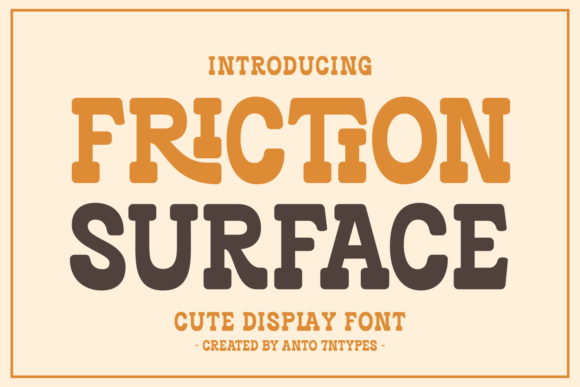
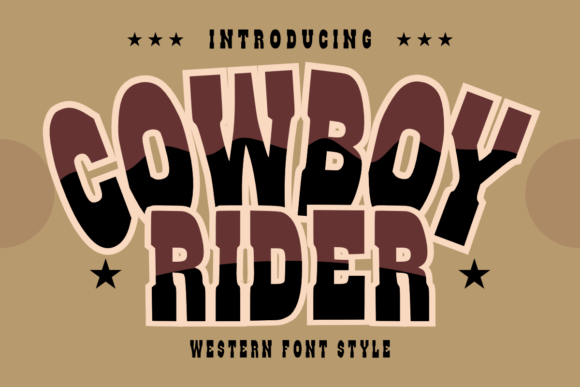
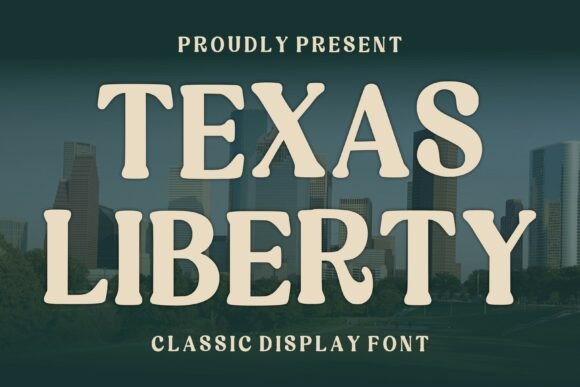
Texas Liberty is a bold vintage display font that draws clear inspiration from classic western typography. Its strong serif details and slightly condensed letterforms give it a distinctive, rugged appearance that feels both elegant and sturdy. This isn't a delicate script or a minimalist sans serif; it's a typeface with presence, designed to be the focal point. The visual appeal lies in its ability to evoke nostalgia while remaining highly functional for contemporary applications. Think of the lettering on a vintage rodeo poster or the branding for a heritage craft brewery—Texas Liberty fits naturally into these contexts, providing that instant sense of established character and authenticity.
Its design avoids the pitfalls of some overly stylized novelty fonts. The proportions are balanced, the curves are deliberate, and the overall shape ensures it remains legible even at larger sizes. This makes it a practical choice for headlines, logos, and any application where the typography needs to carry the visual weight of the design without sacrificing clarity.
Where This Font Truly Shines: Practical Applications
The real value of a creative font like Texas Liberty is measured in its application. It’s a tool for visual communication, and its strengths are best seen in specific, real-world scenarios.
Branding and Logo Design: For businesses that want to project values of craftsmanship, heritage, resilience, or a connection to Americana, this typeface is a powerful starting point. A logo set in Texas Liberty immediately communicates a certain personality. It's ideal for brands in sectors like artisanal food and drink, outdoor apparel, barbershops, ranches, event spaces, or any service that prides itself on tradition and hands-on quality. The font becomes a cornerstone of the brand identity, setting the tone before a customer even reads the accompanying copy.
Packaging and Signage: On a product label or store sign, first impressions are everything. The bold, vintage display font style of Texas Liberty cuts through visual noise. Imagine it on a hot sauce label, a craft beer bottle, a boutique jerky package, or the signage for a rustic storefront. It lends an air of established quality and authenticity, suggesting the product inside is made with care and heritage. Its strong presence ensures the brand name is remembered.
Print and Editorial Design: In posters, magazine covers, or book titles, this serif font creates immediate visual interest. It’s perfect for event posters for rodeos, music festivals, or county fairs. In editorial layouts, it can be used for impactful chapter titles or feature headlines that require a thematic punch. The key is using it at a scale where its detailed character can be fully appreciated.
Digital Presence and Marketing: While a display font isn't for body text, Texas Liberty can be a game-changer for digital projects. Use it for website hero text, social media graphics, and banner ads to create a strong visual hook. For content creators and bloggers in the travel, lifestyle, or DIY space, it can stylize channel logos or video title cards, giving digital content a more polished, professional, and thematic feel. It helps in building a recognizable visual brand across Instagram, Pinterest, and YouTube.
Integrating Texas Liberty into Your Design Workflow
Choosing the right font style is just the first step. To use Texas Liberty effectively, consider how it fits into your broader design system.
Font Pairing is Critical: A bold display font like this needs balance. Pairing it with a clean, neutral sans serif font for body text is a classic and effective strategy. Think of Texas Liberty for the headline, "The Story of Our Craft," and a simple, readable font like Open Sans or Lato for the paragraph beneath. This creates a clear visual hierarchy, ensuring the vintage font has impact without overwhelming the reader. Avoid pairing it with another highly decorative font, as this can create visual clutter and reduce readability.
Context and Readability: Always consider your audience and medium. While the font is highly legible at display sizes, using it for long paragraphs of small text would be impractical. Its role is to attract and set a mood. Test it in context: view a mockup of your poster on screen, print out a sample of your packaging label, and check how it renders on different devices for digital use. Ensure the spacing and kerning work well at your chosen size.
Understand Your License: When sourcing a premium font, always review the commercial licensing terms. A reputable font will come with a clear license that outlines permitted uses—whether for a single client project, unlimited projects, or specific applications like merchandise. Understanding this upfront protects you and your clients legally and ensures you're using the asset correctly. It's a small but crucial part of professional practice.
Ultimately, a typeface like Texas Liberty is a specific tool for a specific job. It’s not the solution for every project, but for those that call for a touch of vintage western charm, rugged elegance, or classic Americana, it provides a direct and authentic visual language. By thoughtfully integrating it into your branding, packaging, or marketing materials, you can leverage its strong character to create designs that are not only beautiful but also deeply resonant with your intended audience. It’s about choosing typography that doesn’t just look good, but feels right for the story you’re trying to tell.