Ocean Font: Capturing the Fluid Grace of the Sea in Your Designs
There’s a distinct feeling you get when you watch the tide roll in—a mix of calm, movement, and organic beauty. Capturing that atmosphere in a design project is often challenging, but typography is a powerful tool to bridge that gap. If you have ever struggled to find a typeface that feels alive rather than rigid, or personal rather than corporate, the search often ends with script and handwritten styles. Among the sea of available options, the Ocean Font stands out as a premium font choice that truly mirrors the fluidity and tranquility of the waves. It isn’t just a collection of letters; it is a design asset that brings a soothing, artistic rhythm to any layout.
The Visual Anatomy of a Fluid Typeface
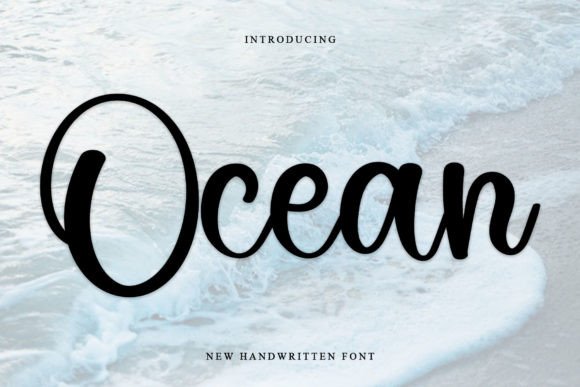
What makes a font feel like water? It comes down to the structure of the strokes. Rigid, geometric sans serif fonts are great for data and user interfaces, but they lack the human touch. Ocean is a captivating script and handwritten typeface that leans heavily into organic curves and natural connections. The letters flow into one another with a gracefulness that mimics actual handwriting, avoiding the robotic look that many standard script fonts suffer from.
The visual appeal of this typeface lies in its balance. It has enough "bounce" and irregularity to feel authentic, yet it maintains a high level of legibility. This is crucial for modern typography, where a font must look good on a high-resolution retina screen just as well as it does on a printed flyer. The strokes vary in weight, mimicking the pressure of a pen on paper, which adds depth and texture to the text. When you use Ocean, you aren’t just typing words; you are weaving a visual narrative that feels handcrafted and intimate.
Elevating Brand Identity and Packaging
For small business owners and creative entrepreneurs, brand identity is everything. It is the first impression you make on a potential customer. If your brand values include nature, wellness, relaxation, or artisanal craftsmanship, a corporate serif font will likely send the wrong message. This is where Ocean shines.
Consider the impact of typography in packaging design. Imagine a line of organic skincare products, a boutique candle company, or a coastal-themed subscription box. Using a premium font like Ocean on your labels and boxes instantly communicates the essence of your product. It suggests that the contents are natural, carefully made, and worthy of attention. It serves as a visual shorthand for quality.
Furthermore, in logo design, a script font can become the cornerstone of your visual identity. A logo utilizing Ocean feels approachable and elegant. It works beautifully for wedding planners, yoga studios, travel bloggers, and lifestyle brands. The font helps build brand recognition because its unique, flowing style is memorable. Customers will begin to associate that specific typographic style with your products, creating a cohesive ecosystem of brand identity materials.
Digital Applications: Social Media and Web Design
In the fast-paced world of digital marketing, grabbing attention is difficult. Static, boring text often gets scrolled past. However, social media graphics require a blend of personality and clarity. Ocean Font is an excellent tool for content creators looking to stop the scroll.
It is particularly effective for quote graphics and inspirational posts. The handwritten nature of the font adds an emotional weight to the words, making them feel like a personal note from the author rather than a corporate advertisement. It is also a strong choice for Instagram stories, Pinterest pins, and Facebook headers where you need a header that feels distinct from the body text.
When it comes to web design, typography hierarchy is essential. You need a clear distinction between your headlines and your body copy to ensure readability. While Ocean is too decorative for long paragraphs of body text, it is a superb choice for H1 or H2 headers. Pairing this script font with a clean, minimalist sans serif font for the body text creates a beautiful contrast. The Ocean header draws the reader in with its artistic flair, while the clean body text ensures the message is delivered clearly. This pairing strategy improves the professional presentation of your site and keeps users engaged longer.
Print, Editorial, and Event Design
Digital is important, but print design remains a vital medium for many industries. Ocean excels in editorial design, particularly for lifestyle magazines, lookbooks, and nature-inspired publications. It can be used for pull quotes, article headers, or chapter titles to break up the monotony of standard body text. It adds a touch of natural beauty to the page, guiding the reader's eye through the layout.
For events, the font is a natural fit. If you are designing invitations for a beach wedding, a garden party, or a bridal shower, Ocean provides the perfect level of formality mixed with warmth. It sets the mood before the guest even arrives. The font’s graceful curves evoke a sense of celebration and elegance that stiff, blocky fonts simply cannot match.
Additionally, the rise of the creator economy means many designers are selling digital products, such as printable planners, wall art, or digital stickers. A premium font like Ocean adds significant value to these products. It allows creators to offer something that looks polished and professionally designed, which can justify a higher price point and increase audience engagement.
Practical Advice for Using Script Fonts
While Ocean is a versatile creative font, using script fonts effectively requires a bit of strategy. Here are some practical tips to ensure your designs remain professional and readable:
- Mind the Hierarchy: Do not use Ocean for everything. If the headline is a script, the body should be a serif or sans serif. If the body is a serif, the accent text can be the script. Contrast is key to visual consistency.
- Check Legibility at Scale: Always test your font at the size it will be viewed. Script fonts can sometimes lose detail at very small sizes. Ensure that the letter spacing is sufficient so that the loops of the 'o' and 'e' don't merge into a blob.
- Color and Contrast: Because script fonts have thinner strokes than bold sans serifs, they need good contrast against the background. Avoid placing light-colored script text over busy images without a background overlay or drop shadow to ensure readability.
- Review Included Styles: Many high-quality fonts come with alternates, ligatures, or swashes. Check the font files to see if Ocean includes different versions of capital letters. Using these alternates can make your typography look even more authentic and less repetitive.
Commercial Use and Licensing
One of the most critical aspects of using a commercial font is understanding the license. As a designer or business owner, you must ensure that you have the rights to use the typeface in your specific context. Most premium fonts come with a license that covers both personal and commercial use, allowing you to use them in logo design, merchandise, and client work.
However, it is always best practice to review the End User License Agreement (EULA). Some licenses restrict the font's use in editable templates for resale, while others may have different tiers for web fonts versus desktop fonts. By respecting these guidelines, you protect your business and support the type designers who create these beautiful design assets.
Ultimately, Ocean is more than just a handwritten font; it is a versatile tool for visual communication. Whether you are refreshing a brand identity, designing a wedding invitation, or crafting a social media campaign, its soothing, artistic style offers a way to connect with your audience on an emotional level. By pairing it wisely and applying it thoughtfully, you can harness the calming power of the ocean to elevate your creative projects.