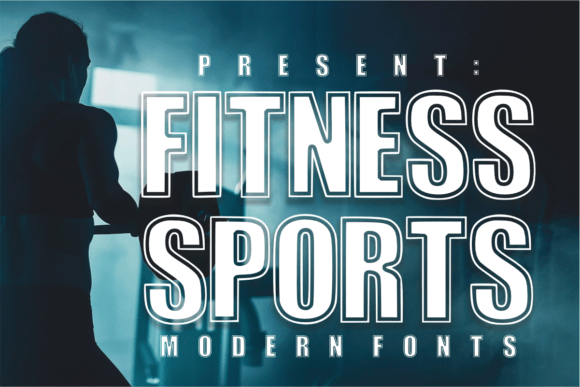
Fitness Sport: The Typeface Built for Impact
Every brand has a voice, but in the crowded marketplace of athletics and wellness, being heard isn’t enough—you need to be felt. There is a visceral reaction when a customer sees a logo that exudes raw power before they even read the name. It is the difference between a standard gym flyer and a declaration of war against mediocrity. If your current visual assets look tired or lack the intensity required to compete in the fitness industry, it is time to look at the foundational elements of your design. Specifically, it is time to look at the typography that anchors your message. We are diving deep into the Fitness Sport typeface, a design asset that doesn't just sit on the page—it commands it.
The Visual Language of Strength
Typography is often the unsung hero of branding. We spend hours debating color palettes and imagery, yet the typeface carries the actual information. The Fitness Sport font is a prime example of a premium font that understands its assignment. It is a display font characterized by straight lines and a condensed structure. Unlike delicate serif fonts or casual handwritten fonts, this typeface is engineered to be thick, bold, and ultra-heavy. It mimics the physiology of an elite athlete: dense, powerful, and built for performance.
What makes this specific typeface visually arresting is its architectural approach. The letters are capitalized and unyielding. However, the defining feature is the optional inner shadow or outline effect. This creates a chiseled, three-dimensional look that makes the text appear almost embossed or carved out of stone. In modern typography, this 3D effect is a game-changer for logo design and headers because it adds depth without requiring complex Photoshop work. It pops off the screen, demanding attention in a way that flat, one-dimensional text simply cannot.
Practical Applications: Beyond the Gym Floor
When you hear a name like Fitness Sport, it is easy to pigeonhole the asset into a single category. Yes, it is the definitive choice for gym branding and athletic apparel logos. It works perfectly for workout program titles and sports posters. However, the utility of a strong display font extends far beyond the weight room. As a designer or business owner, you need to think about where high-impact communication is necessary.
Consider the following scenarios where this typeface shines:
- Packaging Design: If you are selling supplements, protein bars, or outdoor gear, your packaging needs to stand out on a crowded shelf. The bold nature of this font ensures your product name is legible from a distance.
- Social Media Graphics: In the fast-scrolling environment of Instagram or TikTok, you have milliseconds to capture interest. Use this font for sale announcements or motivational quotes to stop the scroll.
- Editorial Design: Magazines and blogs covering extreme sports or high-intensity training benefit from headers that match the energy of the content. It bridges the gap between web design and print layouts seamlessly.
- Merchandise: From T-shirts to hoodies, apparel branding relies on type that looks good when worn. The "chiseled" look of Fitness Sport translates exceptionally well to screen printing and embroidery.
Strategic Branding and Visual Consistency
Choosing a font is not just an aesthetic decision; it is a strategic one. Your typography is a core component of your brand identity. If you are a small business owner or an entrepreneur launching a new product line, consistency is key to recognition. When you utilize a typeface like Fitness Sport across your platforms, you are signaling a specific set of values: determination, professionalism, and competitive edge.
Imagine a fitness app. The headers within the app use this bold typeface. The marketing emails use it. The social media ads use it. This repetition builds a visual muscle memory for your customers. They learn to associate that specific "voice" with your brand before they even read the copy. This is how modern typography drives business results. It moves from being a creative font choice to a functional tool for brand recognition.
Pairing and Readability: The Technical Balance
One of the most common mistakes in design is using a display font for body text. Because Fitness Sport is heavy, condensed, and features that intricate inner shadow effect, it is designed for impact, not for long-form reading. This is a crucial distinction for web design and print materials.
To maximize the effectiveness of this typeface, you must master the art of font pairing. You need a supporting cast that complements the star without stealing the show. Here is a practical approach to matching typography:
- The Contrast Rule: Pair the thick, straight lines of Fitness Sport with a clean, simple sans serif font for your body copy. A geometric sans-serif works well because it maintains the modern feel without competing for attention.
- The Hierarchy: Use Fitness Sport exclusively for H1, H2, and Call-to-Action buttons. Use your secondary font for paragraphs, descriptions, and fine print. This creates a clear visual hierarchy that guides the reader's eye.
- Readability Testing: Always test your pairings on mobile devices. A condensed, bold font can become difficult to decipher at very small sizes. Ensure your headers remain legible across different screen resolutions.
By separating the "voice" (headers) from the "story" (body text), you ensure that your marketing assets look professional and are easy to consume.
Licensing and Commercial Use
For designers, content creators, and entrepreneurs, the legal aspect of design assets is as important as the visual one. When investing in a premium font, you are typically paying for a commercial license. This allows you to use the typeface in projects that generate revenue—whether that is a client's logo, a digital product you sell, or the branding for your own business.
Before finalizing your project, it is always best practice to review the specific license terms included with the download. Most creative font licenses cover standard commercial use, but if you are planning to use the font for a massive enterprise-level campaign or embedding it in software, you may need to verify the terms. This due diligence protects your business and ensures your brand identity is built on solid ground.
In the world of visual communication, your typography speaks volumes. It tells your audience whether you are serious, playful, luxurious, or in this case, powerful. By integrating a typeface that embodies strength and determination, you align your visual strategy with the high standards of your brand. Whether you are designing for a local sports team, launching a fitness influencer brand, or creating packaging design for energy drinks, the right typeface acts as the foundation of your message. It is not just about looking good; it is about communicating power effectively.