Ashley: The Art of Refined Letterforms for Modern Branding
There’s a particular kind of quiet confidence that defines truly premium design. It doesn’t shout for attention; instead, it commands respect through impeccable craftsmanship and intentional detail. This is the essence captured in Ashley, a calligraphy-inspired typeface designed to serve as the cornerstone for projects demanding an air of timeless sophistication. Moving beyond fleeting trends, this typeface offers a bridge between traditional artistry and contemporary elegance, providing creatives with a tool that feels both personal and polished. It’s the kind of font that transforms a simple layout into a curated experience, making it an indispensable asset for anyone serious about their visual identity.
The Anatomy of Quiet Sophistication
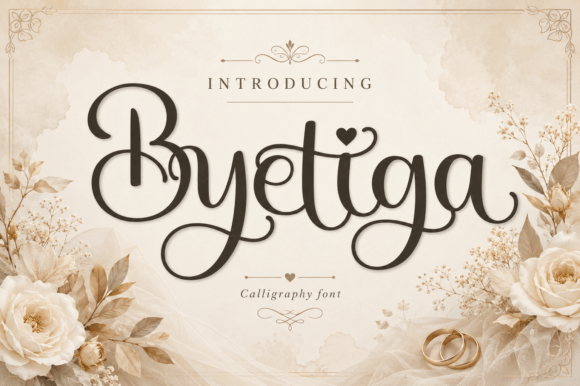
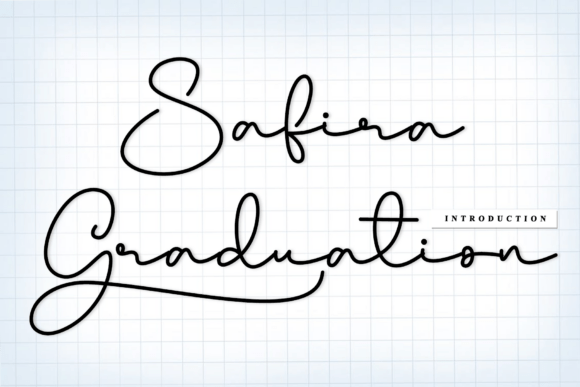
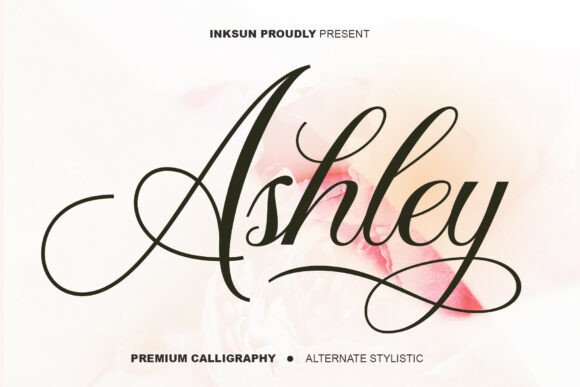
What sets a premium font like Ashley apart is its nuanced personality. This isn’t a heavy-handed script that overwhelms a page. Instead, it’s a masterclass in balance. The letterforms exhibit a delicate weight that suggests hand-lettered artistry without sacrificing clarity. Each stroke flows with a natural, confident rhythm, creating a sense of movement and grace. This careful construction ensures it reads beautifully at both headline and subheadline sizes, a versatility often lacking in more ornate scripts. The visual appeal lies in its ability to evoke heritage and luxury while remaining clean and approachable, making it a perfect display font for high-end applications.
Consider its role in logo design. A logotype set in Ashley immediately communicates values of care, quality, and bespoke service. For a boutique skincare brand, it whispers of botanical ingredients and artisanal production. For a high-fashion label, it embodies exclusivity and meticulous tailoring. The font does the heavy lifting of brand storytelling before a single word of copy is read. Its inherent elegance makes it a powerful component of a cohesive brand identity system, setting a foundational tone that can be carried across all touchpoints.
From Digital Screens to Tactile Experiences
The true test of a creative font is its performance across diverse media. Ashley excels here, transitioning seamlessly from the pixel-perfect demands of web design to the textured reality of print materials. In the digital realm, it brings warmth and personality to websites, particularly for headers, hero sections, and elegant calls-to-action. It’s a standout choice for social media graphics, where a scroll-stopping aesthetic is crucial. Imagine an Instagram story for a floral studio or a Pinterest pin for a luxury travel blog; this typeface adds a layer of sophistication that generic sans-serif fonts simply cannot match.
When your project moves into the physical world, the font’s character truly shines. Its clarity and style make it ideal for packaging design, where it can grace a candle label, a wine bottle, or a cosmetics box with equal distinction. For printed collateral, think beyond the obvious. It elevates wedding invitations and event stationery to heirloom status. It adds prestige to business cards, letterheads, and lookbooks. The consistent use of such a distinctive typeface across digital and print assets reinforces brand recognition, creating a seamless and professional presentation that audiences instinctively trust.
Practical Wisdom for Implementation
Integrating a script font like Ashley into your design toolkit requires a thoughtful approach. The first step is understanding its personality. It’s a display typeface, meaning it’s designed for impact at larger sizes, not for body text. Its primary role is to attract the eye and set an emotional tone. Therefore, pairing it with a highly legible, neutral companion font is non-negotiable for longer paragraphs of text. A clean sans-serif or a classic serif font often creates a beautiful and functional contrast, allowing Ashley to handle the headlines while its partner ensures readability for the supporting content.
Before finalizing any project, it’s wise to test font pairings thoroughly. Create mockups of your intended application—whether it’s a website header, a product label, or a social media post—and evaluate the hierarchy. Does the script font dominate without overwhelming? Is there enough contrast in weight and style between the headline and body text? Pay close attention to readability, especially on smaller screens or at a distance. A beautiful font loses its value if the message becomes difficult to decipher. Reviewing the full character set and any included stylistic alternates or ligatures can also unlock unique design possibilities, allowing for even more customized typography.
Aligning Aesthetics with Strategic Goals
Choosing the right typeface is a strategic decision, not just an aesthetic one. The font you select is a direct reflection of your brand’s voice and values. Ashley is particularly effective for projects where the goal is to communicate luxury, craftsmanship, and a personal touch. It’s a superb match for entrepreneurs in the wedding industry, artisan food producers, interior designers, boutique hotels, and any service-based business that prides itself on a white-glove experience. It helps these businesses stand out in crowded markets by presenting a visual identity that feels intentional and premium.
For content creators and marketers, this typeface can be a secret weapon for developing high-value digital products. Think about the cover of an e-book, the title slide of a presentation, or the branding for an online course. Using a distinctive, high-quality font immediately elevates the perceived value of the content, suggesting that the information inside is equally well-crafted. It transforms standard marketing assets into desirable pieces of design, fostering greater audience engagement and reinforcing a professional image. Ultimately, investing in a versatile and elegant commercial font is an investment in your project’s long-term visual consistency and impact.